
Community
What propositions are on the ballot in Central Texas?
By Samantha Lee
Advertisement · Why this ad?
Fatima is a graduate of the University of Texas at Arlington and has worked for the health section of the Fort Worth Star-Telegram for three years. She covers health-related stories in the College Station area, focusing on public health initiatives and community wellness programs.
More from Fatima →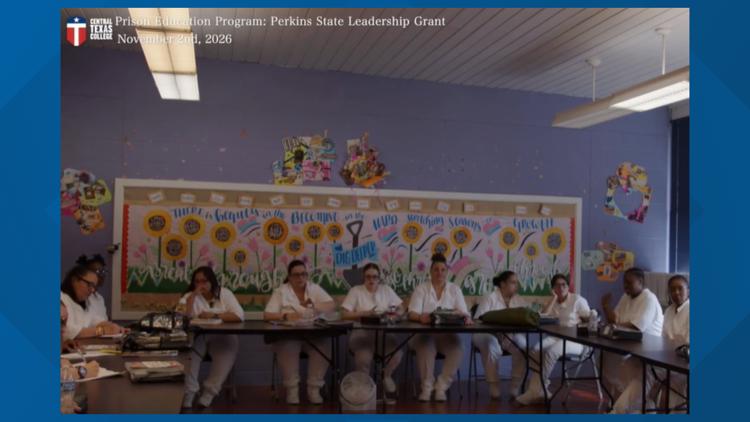
In a small, sunlit classroom at Central Texas College, a group of students huddles around computers, their faces illuminated by the glow of screens displaying lines of code. These students, however, are not your typical college attendees; they are individuals preparing to reenter society after serving time in prison. The atmosphere is filled with a sense of hope and determination, as the college has recently been awarded a significant boost—a $300,000 grant aimed at expanding its Information Technology Education programs specifically for incarcerated students.
On a recent Tuesday morning, Central Texas College (CTC) announced it had received a grant of $300,000 to enhance its educational offerings for incarcerated individuals. This funding, awarded by the Texas Workforce Commission, is part of a broader initiative to improve workforce training and education for those currently behind bars. The grant will specifically focus on expanding IT education programs, which have proven vital in helping students gain the necessary skills to find employment upon their release.
The initiative is a response to the growing recognition of the importance of education in reducing recidivism rates. According to studies, incarcerated individuals who participate in educational programs are significantly less likely to return to prison. The CTC program aims to provide these students with not only technical skills but also the confidence and support they need to reintegrate into society successfully.
The implications of this grant extend far beyond the walls of the college. For many families in Central Texas, the opportunity for incarcerated loved ones to receive quality education can be transformative. As families grapple with the challenges of incarceration, programs like these offer a glimmer of hope, fostering the possibility of a brighter future.
One local resident, Maria Gonzalez, expressed her relief and optimism regarding the program. “My brother has been in and out of the system for years. I’ve seen how hard it is for him to find a job after he gets out. This program could really make a difference for him and others like him,” she shared. Maria’s sentiments reflect a broader community desire for rehabilitation rather than punishment, showcasing a shift toward understanding the importance of second chances.
Maria's story is not unique. Many families in Central Texas have been impacted by incarceration, with statistics indicating that nearly 1 in 3 adults in the area have been affected by the criminal justice system in some way. The ripple effects of incarceration can be profound, often leading to economic hardship, emotional distress, and fractured family relationships. Programs like those offered by Central Texas College provide a pathway to healing and restoration, not just for the individuals incarcerated but for their families and communities as well.
Central Texas College is not alone in recognizing the need for educational opportunities in prisons. Various organizations and educational institutions across the country are implementing similar programs, emphasizing the importance of education as a means of breaking the cycle of incarceration. The college’s initiative aligns with national efforts to create pathways for rehabilitation, providing incarcerated individuals with the tools they need to succeed.
Moreover, the grant will allow CTC to collaborate with local businesses and tech companies, creating a bridge between education and employment opportunities. By partnering with industry leaders, the college can ensure that the curriculum meets current job market demands, equipping students with relevant skills that employers are seeking. This collaboration is crucial, as many employers are increasingly looking for candidates with technical skills, especially in the rapidly evolving technology sector.
Local tech companies, such as Tech Innovations and Digital Future, have expressed interest in supporting CTC's initiative. They recognize the potential for tapping into a pool of motivated individuals eager to learn and contribute to the workforce. These partnerships not only provide resources for the program but also foster a sense of community responsibility in addressing the challenges of incarceration.
As Central Texas College begins to implement this grant, the focus will be on developing a comprehensive curriculum that not only teaches technical skills but also addresses the social and emotional challenges faced by incarcerated individuals. Plans are in place to incorporate mentorship programs, allowing students to connect with professionals in the tech industry who can provide guidance and support as they transition back into society.
Additionally, CTC will be working on outreach initiatives to inform families and communities about the program. By raising awareness, the college hopes to encourage more individuals to take advantage of these educational opportunities. This proactive approach aims to create a supportive network that fosters successful reintegration for those who have served their time.
CTC is also exploring the possibility of hosting community forums where families can learn about the program, share their experiences, and connect with others facing similar challenges. These forums could serve as a vital resource, providing a space for open dialogue and support.
For families of incarcerated individuals, the journey can be daunting. However, there are resources available to help navigate this challenging time. Organizations such as the Prison Fellowship offer support and guidance for families, providing tools for effective communication and strategies for managing the emotional impact of incarceration.
Furthermore, local community centers often provide workshops and resources aimed at supporting families of incarcerated individuals. These programs can help families understand the educational opportunities available to their loved ones and how to best support them during their transition back into society. By fostering an environment of understanding and support, these resources play a crucial role in the healing process.
The recent grant awarded to Central Texas College marks a significant step forward in the effort to provide education and workforce training to incarcerated individuals. By focusing on Information Technology Education, the college is not only equipping students with valuable skills but also fostering a sense of hope and renewal within the community. As families like Maria’s look toward the future, the importance of second chances and the transformative power of education cannot be overstated. With the right support and resources, individuals can pave a new path for themselves and their families, embodying the true spirit of the American dream.
By Samantha Lee

By Samantha Lee

By Samantha Lee

By Samantha Lee