Community
What propositions are on the ballot in Central Texas?
By Samantha Lee
Advertisement · Why this ad?
Brian has over 12 years of experience in journalism, having covered local government for various publications in Central Texas. He holds a degree from Baylor University and has a reputation for digging deep into the issues facing the College Station community, particularly in terms of policy and civic engagement.
More from Brian →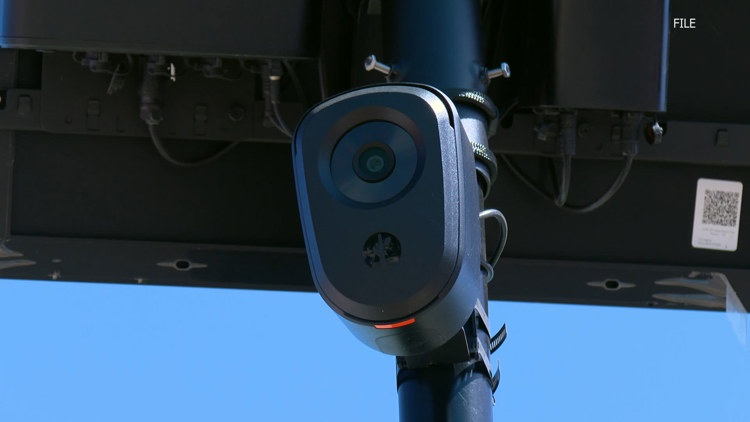
On a sunny afternoon in Robinson, Texas, Mayor Greg May stood in front of a small crowd gathered at the city park, ready to address a significant change that has stirred discussions in the community. With a firm voice, he announced, "The Flock license plate reader cameras in our city are coming down." This decision, as straightforward as it sounds, carries weighty implications for the residents of Robinson and the surrounding areas.
In a recent announcement, Mayor May confirmed that the Flock license plate reader cameras, which have been a fixture in Robinson, will be removed. The cameras were initially installed as a measure to enhance public safety and assist law enforcement in tracking vehicles involved in criminal activities. However, the effectiveness and necessity of these cameras have come under scrutiny.
The decision to dismantle the cameras comes after a series of community discussions and feedback from residents. Many voiced concerns about privacy and the potential for misuse of the technology. Mayor May acknowledged these concerns, stating, "We have to balance public safety with the rights of our citizens. It's crucial that we listen to the voices of the community we serve." His commitment to transparency has resonated with many residents who appreciate a local government that prioritizes their concerns.
The Flock license plate reader cameras were introduced in Robinson several years ago, aimed at reducing crime rates and enhancing law enforcement capabilities. These cameras capture images of vehicle license plates and store the data for law enforcement agencies to access when needed. While the intention was to deter crime, the actual impact of these cameras has been a topic of debate.
Critics argue that such surveillance tools can lead to an invasion of privacy and may not significantly reduce crime rates. Supporters, on the other hand, believe that they are a valuable asset for law enforcement. The dichotomy of opinions on this issue reflects a broader national conversation about the balance between security and privacy in modern society.
The announcement of the cameras' removal has elicited mixed reactions from Robinson residents. Some community members have expressed relief, viewing the decision as a victory for privacy rights. Local resident Sarah Johnson remarked, "I’m glad to see our mayor listening to us. It’s important that we feel safe in our own neighborhoods without being constantly monitored."
Conversely, others have raised concerns about the potential implications for public safety. Resident Mark Thompson voiced his worries, stating, "While I understand the privacy concerns, I also worry about how this will affect our safety. We need to find a balance that protects us without infringing on our rights." This sentiment reflects a common struggle many communities face as they navigate the complexities of modern law enforcement tools.
Further complicating the issue is the recent rise in crime rates in nearby areas, leading some residents to question whether removing the cameras is a step backward. The local police department has reported an uptick in certain types of crimes, prompting discussions about the effectiveness of current safety measures. Mayor May has assured residents that the city will explore alternative solutions to ensure public safety without compromising individual privacy.
Removing the Flock cameras will undoubtedly affect the operations of the Robinson Police Department. These cameras provided a tool for officers to quickly identify vehicles involved in criminal activity, potentially leading to faster responses and resolutions. The department will now need to adapt its strategies to maintain safety in the community.
Chief of Police John Harris expressed his thoughts on the change, stating, "While we understand the community's concerns, we also recognize the challenges this presents for law enforcement. We will continue to work diligently to ensure the safety of our residents through community policing and other proactive measures." The police department is committed to finding new ways to engage with the community and enhance safety without relying on surveillance technology.
As Robinson moves forward without the Flock cameras, the city is set to explore alternative safety measures. Mayor May has indicated that the city will hold community forums to discuss potential solutions and gather input from residents. This collaborative approach aims to foster a sense of community involvement in shaping public safety policies.
Additionally, the city plans to invest in community policing initiatives and educational programs to enhance public safety awareness. These efforts will focus on building relationships between law enforcement and residents, emphasizing the importance of community engagement in maintaining safety.
The future of public safety in Robinson will depend heavily on community involvement. Residents are encouraged to participate in upcoming forums and share their thoughts on how best to address safety concerns. Mayor May believes that a united community can create a safer environment for everyone, stating, "Together, we can find solutions that respect our rights while ensuring our safety."
To better understand the community's perspective, we spoke to several residents and local leaders about their views on the removal of the Flock cameras. Many expressed a desire for more proactive measures that involve community engagement rather than surveillance. Local business owner Lisa Martinez noted, "We need to create an environment where people feel safe, not just through technology but through community connections. When neighbors know each other, crime rates tend to drop naturally."
In addition to fostering relationships, some residents have suggested implementing neighborhood watch programs as a way to enhance community safety. These programs encourage residents to look out for one another and report suspicious activities, thereby creating a sense of shared responsibility for local safety. As community member Tom Richards put it, "We can be our own eyes and ears. It’s about being vigilant and caring for one another."
Education will play a significant role in shaping the future of public safety in Robinson. Mayor May has emphasized the importance of informing residents about crime prevention strategies and safety protocols. The city plans to collaborate with local schools and organizations to develop workshops and seminars that teach residents how to protect themselves and their property.
Additionally, the police department will work on outreach programs to educate citizens about the realities of crime in the area, including statistics and trends that can help residents make informed decisions about their safety. Chief Harris remarked, "Knowledge is power. The more informed our community is, the better equipped they will be to protect themselves and contribute to the overall safety of Robinson."
As Robinson navigates these changes, the emphasis on strong families, community ties, and authentic communication will be crucial in fostering a safe and welcoming environment for all residents. The removal of the Flock cameras marks a significant shift in the city’s approach to public safety, one that prioritizes the voices of its citizens. Moving forward, the collaboration between law enforcement, local businesses, and residents will be vital in creating a community that not only feels safe but is safe.
By Samantha Lee

By Samantha Lee
By Samantha Lee
By Fatima Al-Rashid