Government
Flock cameras in Robinson to be removed, Mayor says
By Brian Thompson
Advertisement · Why this ad?
Brian has over 12 years of experience in journalism, having covered local government for various publications in Central Texas. He holds a degree from Baylor University and has a reputation for digging deep into the issues facing the College Station community, particularly in terms of policy and civic engagement.
More from Brian →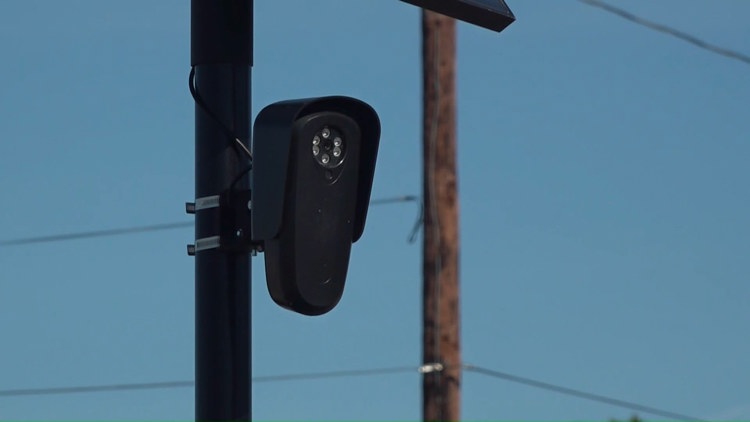
As the sun began to set over Robinson, Texas, Mayor Greg May stood before a gathering of concerned citizens, his words echoing the sentiment of many. "The safety of the citizens is not affected," he assured them, despite the impending removal of Flock cameras from the city. The decision, rooted in privacy concerns, marks a significant shift in how local law enforcement will approach crime investigations.
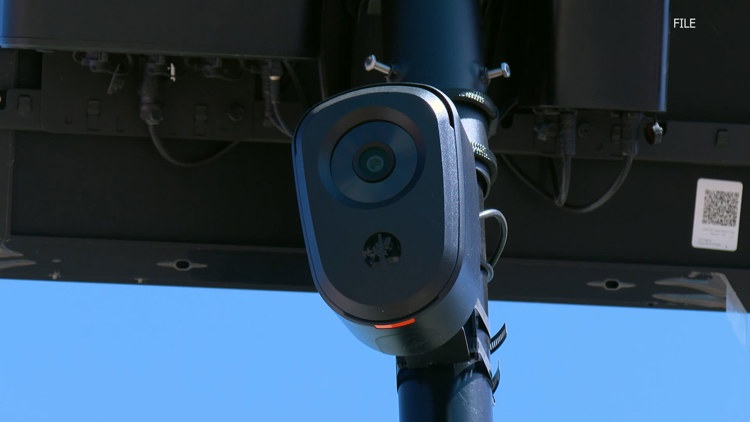
Robinson's city officials recently announced the decision to remove Flock cameras, a move that has sparked conversations across the community. Mayor May stated that the cameras, which were installed to enhance public safety through increased surveillance, have raised valid privacy concerns among residents. The decision was not made lightly, as the city had invested in these systems to bolster security.
The Flock cameras, known for their ability to capture license plate information and monitor traffic patterns, were seen as a tool to deter crime. However, the backlash from residents who felt their privacy was being compromised led to this reversal. Mayor May emphasized that while the cameras will be taken down, the city remains committed to ensuring public safety.
Robinson Police Chief, Angela Davis, acknowledged the challenges this decision brings. She noted that investigations might take longer without the immediate data access provided by the cameras. "We are adapting to this change, but it will undoubtedly slow down some of our processes," Chief Davis stated during a recent press briefing.
The response from Robinson's residents has been mixed. Some praised the city council's decision, citing the need for privacy in an increasingly surveilled society. Others, however, expressed concerns about potential increases in crime without the deterrent effect of the cameras. Local business owner Maria Gonzalez shared her perspective: "I understand the privacy concerns, but I also want to feel safe in my community. It’s a tough balance."
Many residents attended the city council meeting to voice their opinions. Some argued that the technology was crucial for solving crimes quickly, while others felt that the cameras infringed on their rights. One resident, John Smith, expressed his frustration: "I feel like we are sacrificing our safety for the sake of privacy. Can’t we find a middle ground?"
These discussions reflect a broader trend seen across the nation, where communities are grappling with the implications of surveillance technology. As cities adopt more advanced systems to monitor and protect, the question of privacy versus safety remains at the forefront.
With the removal of Flock cameras, Robinson police are exploring alternative methods to maintain public safety and investigate crimes effectively. Chief Davis mentioned that officers will rely more on traditional investigative techniques, including community outreach and increased patrols.
"We are encouraging residents to report suspicious activities and engage with us," she said. This approach aims to foster stronger relationships between law enforcement and the community, emphasizing the importance of collaboration in ensuring safety.
Additionally, the department is considering partnerships with neighboring jurisdictions to share resources and intelligence. This collaborative effort could help offset the loss of immediate data access that the cameras provided. The police department is also looking into community-based programs aimed at crime prevention and education.
One of the key strategies that Chief Davis hopes to implement is community engagement initiatives. These programs could include neighborhood watch groups, town hall meetings, and increased police presence at local events. By fostering a sense of community, the police department aims to empower residents to take an active role in their safety.
Local resident and activist Linda Thompson believes that community involvement is crucial during this transition. "We need to come together as a community and support each other. It’s not just about the police; it’s about us working together to keep our streets safe," she said. Thompson has been involved in organizing community forums where residents can share their concerns and suggestions regarding safety measures.
The decision to remove Flock cameras is not just a local issue; it resonates with a growing national conversation about privacy rights and the role of surveillance in society. In recent years, cities across the United States have grappled with similar dilemmas, weighing the benefits of surveillance technology against the potential for abuse and invasion of privacy. Robinson’s choice to prioritize privacy may encourage other communities to reconsider their own surveillance measures.
The implications of this decision extend beyond immediate safety concerns. By fostering a culture of community engagement, Robinson may serve as a model for other cities aiming to balance security and privacy. Mayor May's vision for a more participatory approach to safety reflects a broader trend towards empowering citizens, which could inspire similar movements in nearby towns.
As Robinson moves forward without Flock cameras, the city is at a crossroads. The decision to prioritize privacy over surveillance could set a precedent for other communities facing similar dilemmas. Mayor May is hopeful that the changes will lead to a more engaged and vigilant community.
"We believe that the best way to keep our city safe is through the active participation of our residents," he said. This sentiment reflects a growing trend where local governments are seeking to empower citizens rather than relying solely on technology.
While the removal of Flock cameras aims to address privacy concerns, it also presents challenges for law enforcement. Without the immediate access to data that the cameras provided, police may find it more difficult to respond to incidents in real-time. To counteract this, Chief Davis is advocating for increased training for officers in investigative techniques that do not rely on surveillance technology.
Moreover, the department is exploring the use of other technological solutions that respect privacy while still enhancing safety. For example, they are considering the implementation of anonymous tip lines and community reporting apps, which could allow residents to report suspicious behavior without compromising their privacy.
While the road ahead may be challenging, the commitment to maintaining public safety remains steadfast. Robinson's approach could serve as a model for other cities grappling with the balance between privacy and security. As the community adapts to these changes, the hope is that they will emerge stronger and more united in their efforts to ensure safety.
In conclusion, Robinson's decision to remove Flock cameras reflects a growing awareness of privacy issues, and as the community navigates this transition, it may pave the way for a new era of community-police relations based on trust and collaboration. The ongoing dialogue among residents, local leaders, and law enforcement will be crucial in shaping the future of safety in Robinson, and it is a conversation that many other communities will be watching closely.
By Brian Thompson

By Brian Thompson

By Samantha Lee

By Samantha Lee