
Community
Art Is Everywhere: Marilyn Ritchie finds a lifetime of inspiration in ceramics
By Samantha Lee
Advertisement · Why this ad?
Samantha graduated from the University of Houston and has spent five years covering local events and cultural stories in the College Station area. Her previous work includes contributions to the Texas Observer, where she focused on community issues and local initiatives. She is passionate about showcasing the vibrancy of community life.
More from Samantha →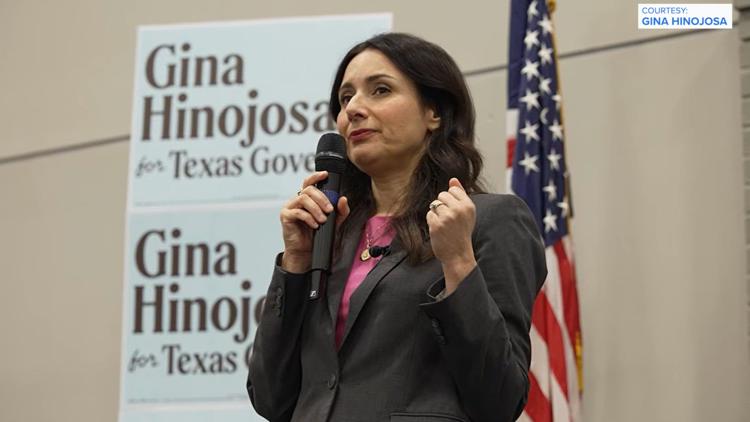
In the heart of Texas, the air is thick with anticipation as families wonder about the potential windfall of $1,500 each. Gina Hinojosa, the newly elected governor, has stirred the pot of hope with her bold proposal to tap into the state’s rainy-day fund, a move that could bring relief to many households struggling to make ends meet. On a recent sunny afternoon at a local park in College Station, I met Maria Gonzalez, a single mother of three, who expressed her eagerness for the funds. "Every little bit helps," she said, her eyes bright with hope. "It could mean new shoes for my kids or even a family outing for the first time in years." The prospect of this financial boost has ignited conversations across the community, but the path to realization remains uncertain.
Gina Hinojosa's proposal to distribute $1,500 to Texans is not just a fleeting thought; it is rooted in the state's substantial $17 billion rainy-day fund. This fund, designed for unforeseen emergencies, has become a point of contention and hope. Hinojosa's vision aims to use these funds to alleviate financial burdens faced by many families across Texas. However, as of now, no specific payment or distribution date has been set, leaving residents in a state of eager anticipation.
The rainy-day fund has historically been a financial cushion for the state, meant to provide stability during economic downturns. Hinojosa's plan marks a significant shift in how these funds might be utilized, focusing on immediate relief for families rather than reserving them solely for emergencies. This change could redefine the relationship between Texan families and their government, fostering a sense of trust and support.
Despite the excitement surrounding the proposal, the logistics of implementation remain murky. Questions abound regarding how the distribution would work, who would qualify, and when the funds would be available. As residents await further details, conversations about the potential impact of this financial assistance continue to resonate in local coffee shops and community centers.
The community response to Hinojosa's proposal has been a mix of hope and skepticism. Many residents, like Maria, express optimism about the potential for financial relief. Local business owner James Thompson shared his thoughts at the College Station Chamber of Commerce meeting, stating, "This could be a game changer for our local economy. Families will have more to spend, and that means more customers for us." His words echoed the sentiments of many who see the proposal as a way to stimulate not just individual households, but the entire community.
Yet, not everyone is convinced. Some residents worry about the long-term implications of utilizing the rainy-day fund. They argue that while immediate relief is crucial, the state must also consider the potential consequences of depleting a reserve meant for emergencies. Local resident Sarah Martinez voiced her concerns, saying, "I love the idea of helping families, but what happens when the next storm hits? Will we have enough to manage?" Her perspective highlights the delicate balance between immediate needs and future stability.
As the community grapples with these questions, discussions around fiscal responsibility and sustainable governance have emerged. Local leaders are calling for transparency in how the funds will be managed and distributed. The need for a clear plan is paramount, especially given the varied opinions on the proposal. The College Station City Council is expected to hold discussions in the coming weeks to address these concerns, aiming to foster a collaborative approach to the potential distribution.
Among the residents, there is a palpable sense of community spirit. Many are rallying together, sharing ideas on how to best utilize the funds if they do materialize. This grassroots engagement reflects the fundamental values of commitment and resilience that define College Station. Families are coming together to discuss not just their personal needs, but how they can support one another through this uncertain time.
As we look ahead, the timeline for Hinojosa's proposal remains unclear. While the idea has gained traction, the necessary legislative approvals and financial assessments are still pending. The governor-elect will need to work closely with state lawmakers to navigate the complexities of utilizing the rainy-day fund. This collaboration will be crucial in ensuring that the proposal transforms from a hopeful idea into a tangible reality for families across Texas.
In the meantime, community leaders are urging residents to stay engaged and informed. The College Station Chamber of Commerce has launched a series of informational sessions to help residents understand the potential implications of the proposal. These sessions aim to empower families with knowledge, allowing them to advocate for their needs as the discussions unfold.
Moreover, local nonprofits are stepping up to provide support and resources to families in need, regardless of the outcome of Hinojosa's plan. Organizations like the Brazos Valley Food Bank and United Way of the Brazos Valley are working tirelessly to ensure that families have access to essential services and support during this time of uncertainty. Their efforts underscore the importance of community solidarity and the shared commitment to uplifting one another.
As the conversation around Hinojosa's proposal continues, one thing is clear: the community of College Station is resilient and hopeful. Families are coming together, discussing their dreams and aspirations, and envisioning a future where financial stability is within reach. The prospect of receiving $1,500 each is not just about the money; it symbolizes a collective belief in the power of community and the American dream.
In a world that often feels divided, initiatives like this remind us of the importance of unity and shared purpose. As residents await further developments, they are encouraged to remain engaged, to voice their opinions, and to support one another. The outcome of this proposal could very well shape the future of College Station, fostering a renewed sense of hope and commitment among its residents.
As we look to the future, let us remember the values that bind us together: strong families, authentic faith, and a commitment to one another. Whether or not Hinojosa's payment plan comes to fruition, the spirit of community and resilience will continue to thrive in College Station.
By Samantha Lee

By Samantha Lee
By Samantha Lee
By Samantha Lee